

Now Reading: Japan’s ‘Iron Lady’ Sweeps to Power in Historic Election Landslide
-
01
Japan’s ‘Iron Lady’ Sweeps to Power in Historic Election Landslide

TOKYO — Prime Minister Sanae Takaichi has led the ruling Liberal Democratic Party (LDP) to a historic landslide victory in Sunday’s snap general election, securing a commanding supermajority that completes a stunning political resurrection for Japan’s conservative establishment.
Despite heavy snowfall blanketing much of the archipelago—conditions that typically suppress voter turnout—projections early Monday showed the LDP securing between 313 and 316 seats in the 465-seat House of Representatives. The victory grants Takaichi, Japan’s first female prime minister, a mandate unprecedented in the post-war era for a single party.
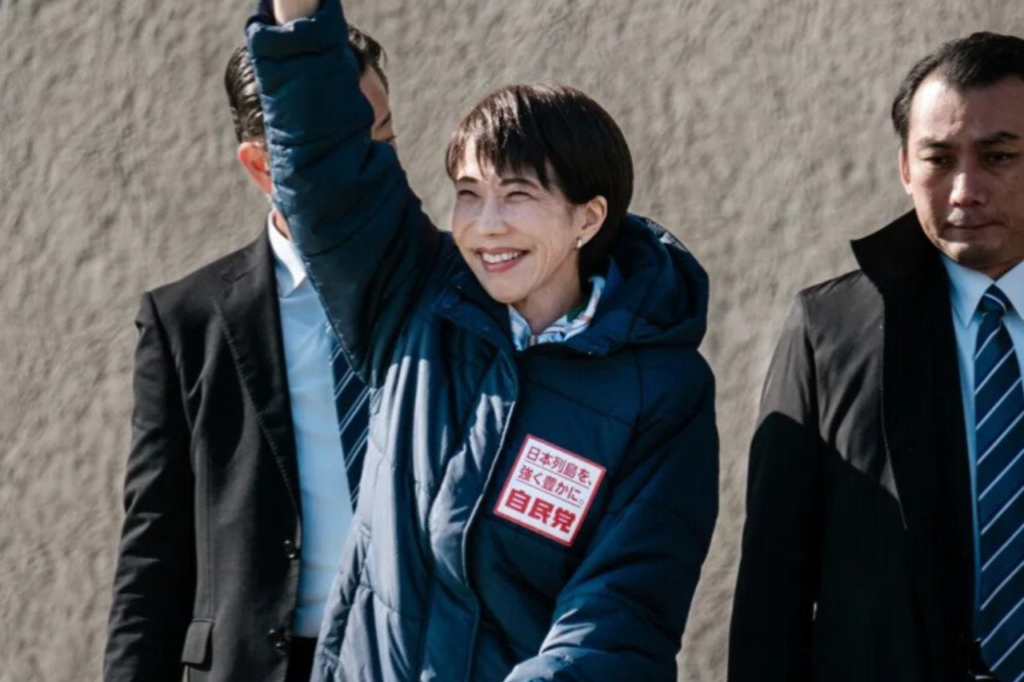
The result marks a dramatic reversal of fortune for the LDP, which had lost its lower house majority in 2024 and suffered defeats in the 2025 upper house elections under former Prime Minister Shigeru Ishiba. Takaichi, who took the reins of the party in October 2025, dissolved parliament late last month seeking a fresh vote of confidence—a gamble that has paid off spectacularly.
The Return of the LDP
According to results and exit polls from NHK and other major networks, the LDP alone has crossed the 310-seat threshold required for a two-thirds supermajority. This dominance allows the ruling coalition to override upper house rejections and potentially push forward with long-sought constitutional amendments.
“This is a vote for a strong Japan,” Takaichi told supporters at LDP headquarters as the scale of the victory became clear.
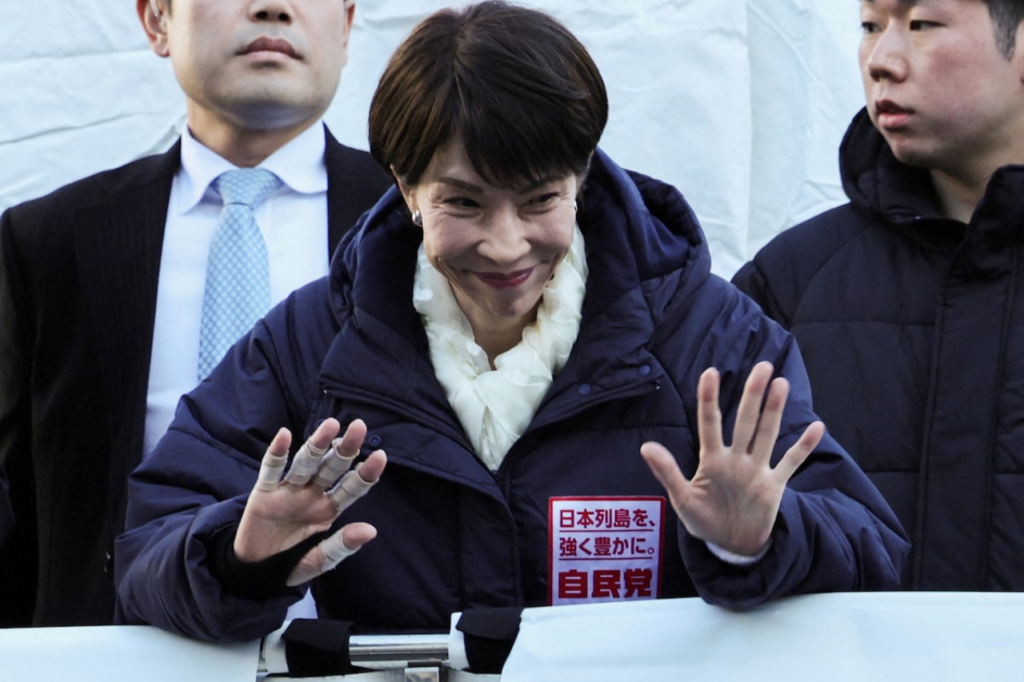
Known as Japan’s “Iron Lady” and citing Margaret Thatcher as an inspiration, Takaichi campaigned on a platform of aggressive economic reform, including tax cuts, alongside a hawkish foreign policy. Her promises to bolster defense spending to counter threats from China and North Korea, coupled with stricter controls on immigration and tourism, appear to have resonated deeply with a fluctuating electorate.
‘Sanamania’ Braves the Cold
Sunday’s vote was held under rare winter conditions, with heavy snow disrupting transport in several regions. While analysts initially feared record-low turnout, early data suggests a surge in support from younger voters, a demographic usually disengaged from politics.
Pundits have dubbed the phenomenon “Sanamania,” crediting Takaichi’s direct communication style and conservative nationalism with energizing a youth base looking for decisive leadership after years of political instability.
Opposition Collapse
While the LDP surged, the opposition suffered a catastrophic collapse. The primary opposition bloc, a centrist-reformist coalition including the Constitutional Democratic Party (CDP) and Komeito, is projected to lose over 120 seats, plummeting from 167 to a mere 46.
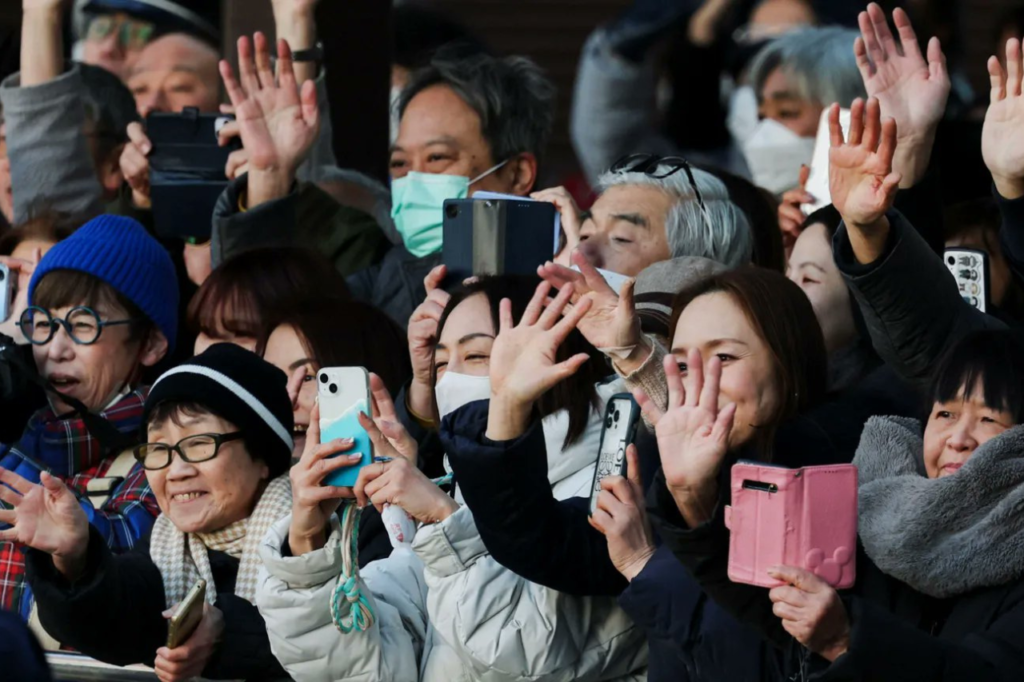
“We failed to present a coherent alternative,” a senior CDP official conceded late Sunday, amid reports that several opposition leaders are preparing to resign.
In a surprise twist, the populist right-wing party Sanseito saw a significant boost, jumping from two seats to an estimated 10–11, signaling a broader shift to the right in Japan’s political landscape. The Japan Innovation Party (Ishin) maintained its ground with roughly 32–35 seats.
A New Era for Tokyo
The supermajority gives Takaichi a free hand to implement her “New Conservative” agenda. Financial markets are bracing for her proposed aggressive fiscal policies, while diplomatic allies and rivals alike will be watching closely as Tokyo adopts a more assertive military posture.
For a party that appeared on the brink of irrelevance just a year ago, Sunday’s result is a total vindication of Takaichi’s leadership, cementing her status as one of the most powerful Japanese leaders in decades.


Advertisement