




Now Reading: Tragedy of ‘Sidor Hu Phap’: From Social Media Star to Heartbreaking Loss During Relocation Amidst Thailand’s Human-Wildlife Conflict
-
01
Tragedy of ‘Sidor Hu Phap’: From Social Media Star to Heartbreaking Loss During Relocation Amidst Thailand’s Human-Wildlife Conflict
Tragedy of ‘Sidor Hu Phap’: From Social Media Star to Heartbreaking Loss During Relocation Amidst Thailand’s Human-Wildlife Conflict

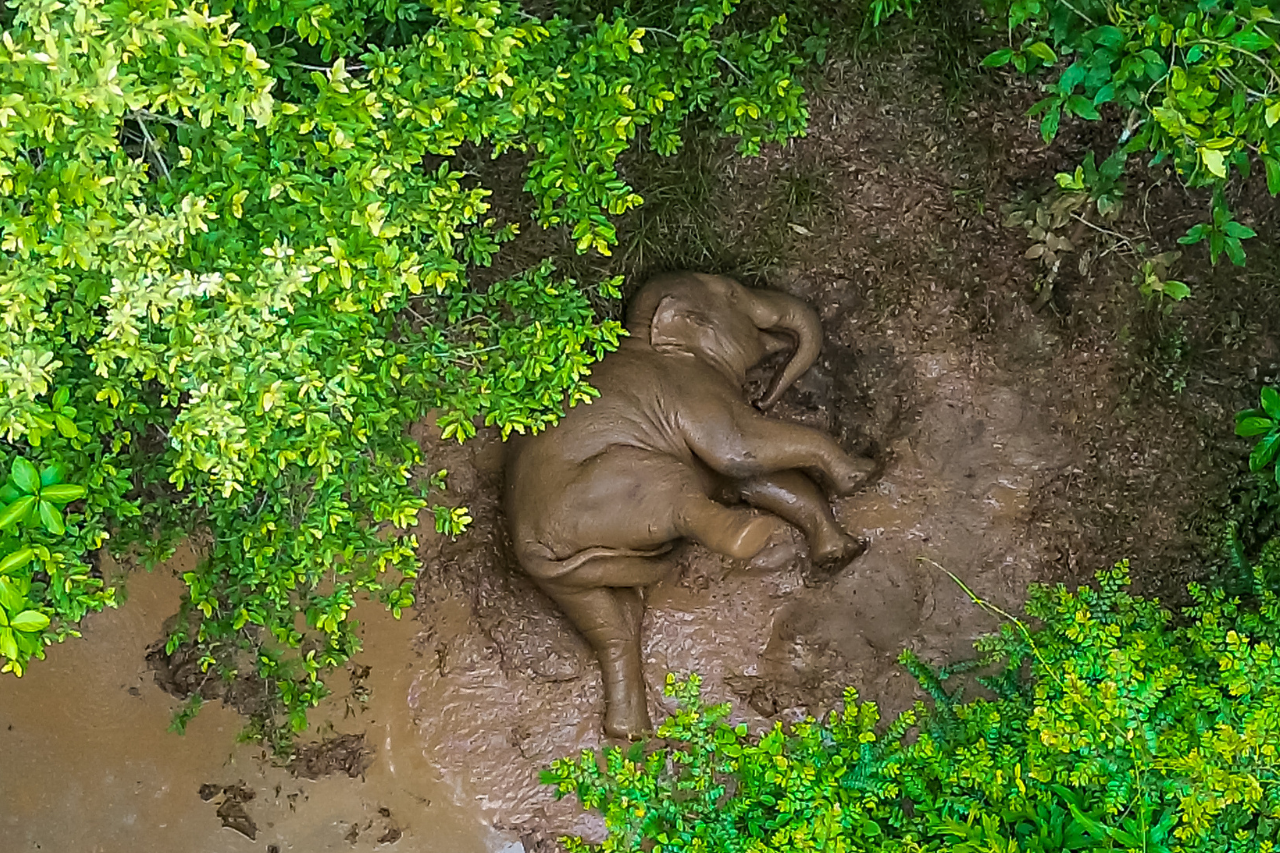
Loei – Thailand, February 7, 2026 – “Sidor Hu Phap,” a male wild elephant beloved by netizens for viral photos of him hiding in sugarcane fields with his companion, died suddenly during a court-ordered relocation on February 3. The incident has shaken Thai society and ignited a fierce debate over the management of human-wildlife conflict. Initial official assessments suggest the cause of death was a combination of food aspiration (choking) and stress induced by the capture operation.
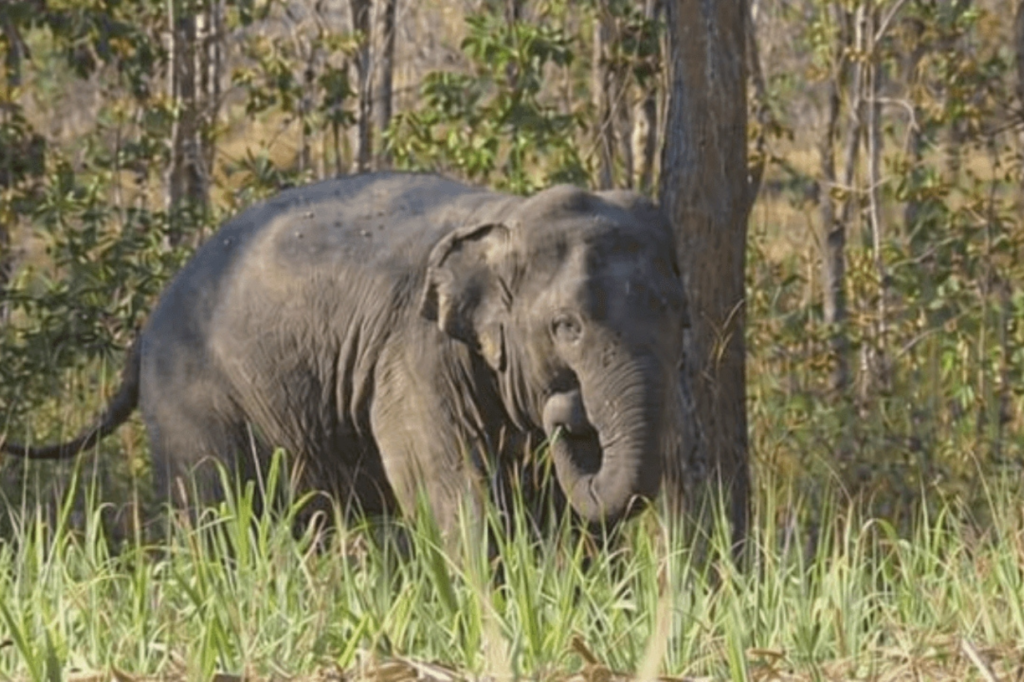
From ‘Giant Baby’ to Conflict Zone
“Sidor Hu Phap,” estimated to be between 15 and 20 years old, originally inhabited the Phu Luang Wildlife Sanctuary in Loei province. However, habitat encroachment and diminishing natural food sources forced him to migrate towards agricultural communities in the Phu Wiang district of Khon Kaen province.
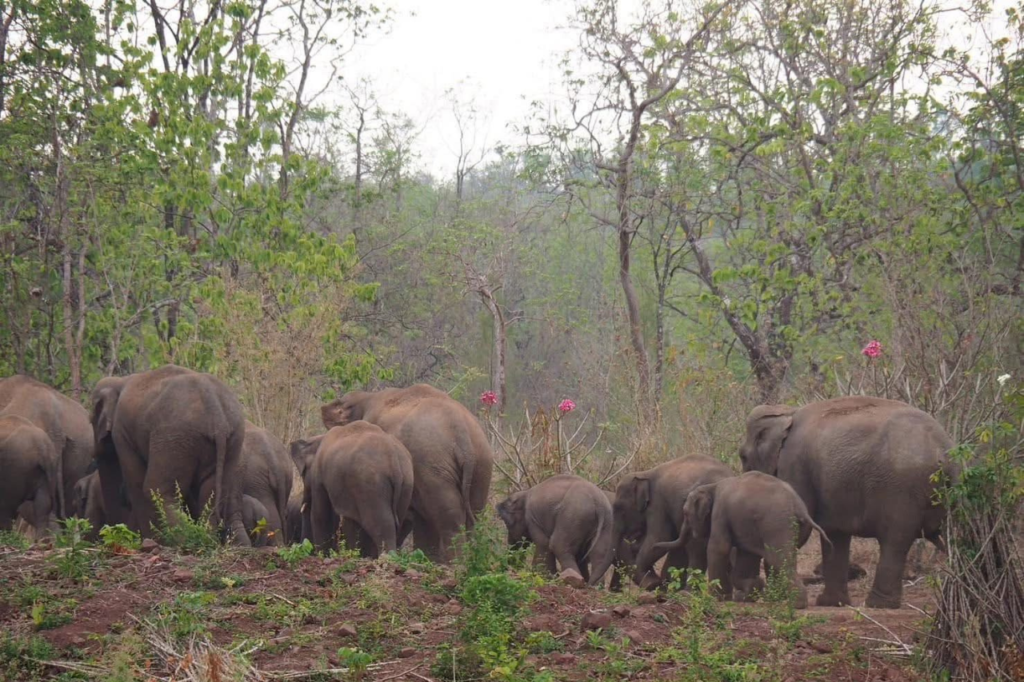
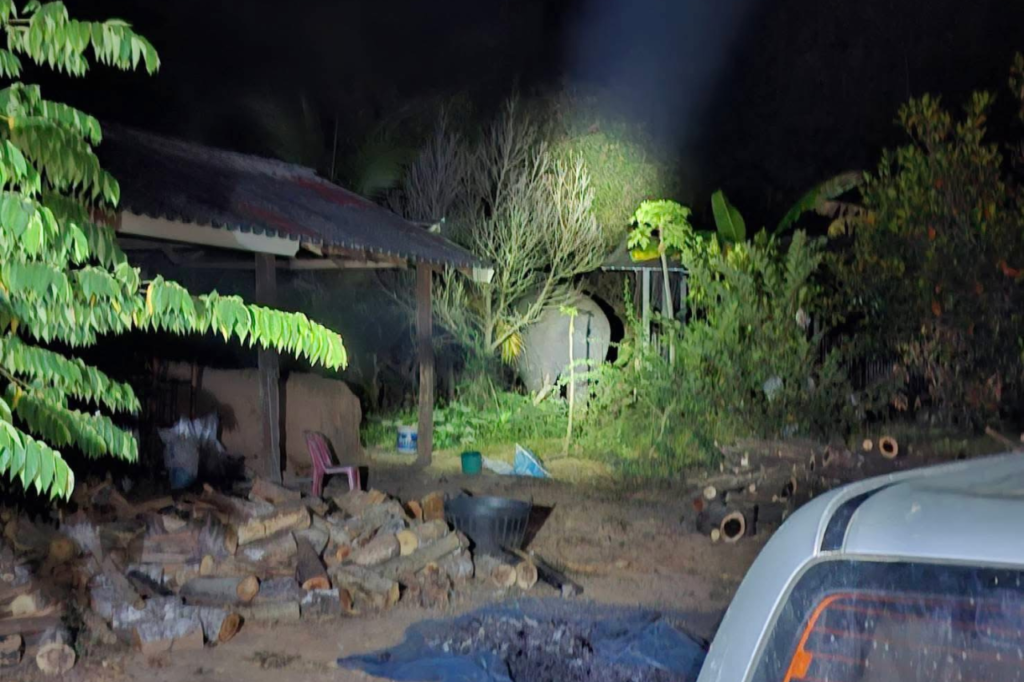
On social media, he was affectionately known as a “giant baby” due to his playful antics and close bond with another elephant named “Nga Jiew.” Despite this gentle online persona, the reality on the ground was volatile. In 2025, escalating encounters led to tragedy; Sidor Hu Phap was implicated in two fatal attacks on villagers in Khon Kaen—one in August and another in October—sparking fear in the local community and leading to legal intervention.
The Legal Battle and Court Order
Following the fatalities, six affected villagers filed a lawsuit against the Department of National Parks, Wildlife and Plant Conservation (DNP) at the Khon Kaen Administrative Court. They demanded the immediate removal of four wild elephants—including Sidor Hu Phap and Nga Jiew—citing threats to public safety.
On November 4, 2025, the court issued a temporary injunction ordering the DNP to capture and relocate the four elephants to a suitable habitat within 30 days, warning that failure to act would constitute a violation of the court order.
A Fatal Operation
The relocation operation commenced on February 3, 2026, involving a team of over 200 veterinarians and officers. Sidor Hu Phap was sedated according to international standards and loaded onto a transport truck, destined for a food rehabilitation project in Loei to prevent him from returning to foraging in community areas.
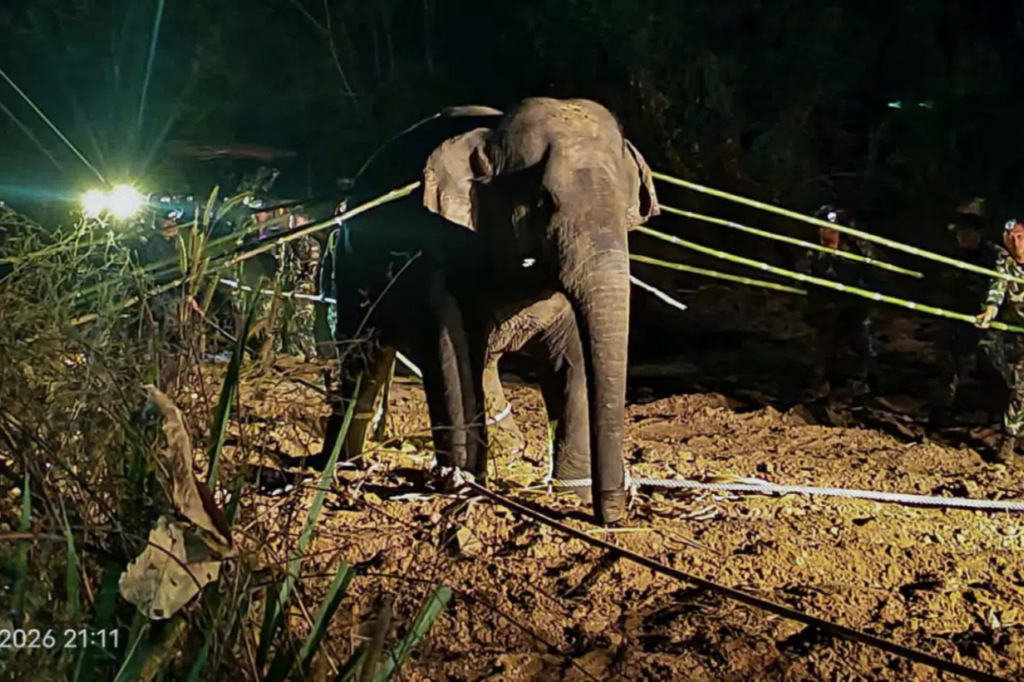
However, disaster struck just 15 minutes into the journey. The elephant suddenly collapsed and went into shock. The veterinary team immediately halted the convoy to perform emergency procedures, including clearing his airway, administering IV fluids, and regulating his body temperature, but were unable to resuscitate him.
Preliminary investigations indicate that a piece of sugarcane was found obstructing his windpipe, which, combined with “Capture Myopathy”—a condition where muscle breaks down due to extreme exertion or stress—led to his death. The DNP has expressed deep regret and established a committee to investigate the incident thoroughly.
Public Outcry and Political Fallout
The death of Sidor Hu Phap has triggered a wave of criticism across social media. Conservationists and animal rights activists argue that the root problem is human encroachment on forest land, which forces elephants into conflicts with villagers. They advocate for restoring natural food sources rather than risky relocations.
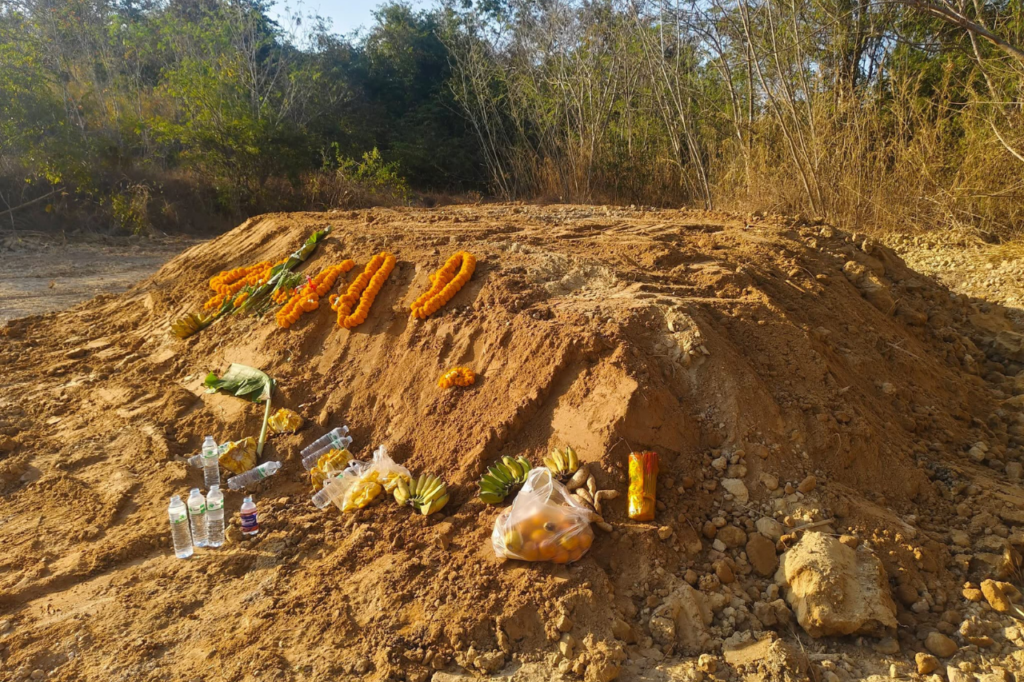
The political sphere has also reacted. Deputy Prime Minister Suchart Chomklin has ordered a comprehensive review of wild elephant management measures, emphasizing a balance between public safety and animal welfare. Meanwhile, on February 5, 2026, activist Srisuwan Janya filed a petition with the National Anti-Corruption Commission (NACC) to investigate high-ranking DNP officials for potential negligence of duty regarding the elephant’s death.
A Lesson in Loss
This tragedy underscores a critical challenge for Thailand, home to an estimated 3,000-4,000 wild elephants. As natural habitats shrink, conflicts are becoming more frequent. Experts are urging the government to invest in long-term solutions, such as reforestation and the construction of effective barriers, to prevent further loss of life—both human and animal.


Advertisement
